
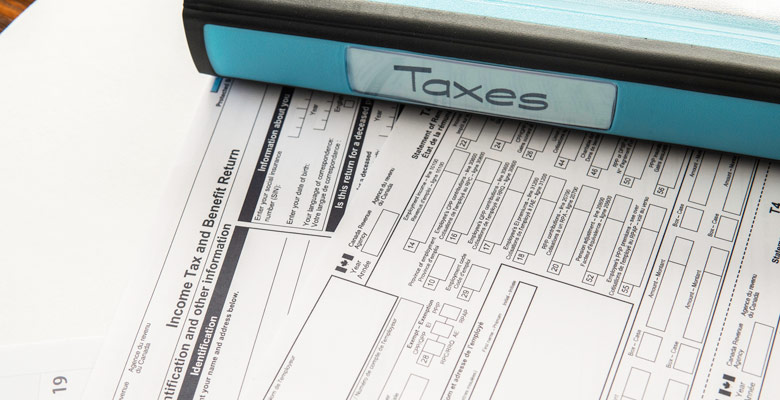
Every spring, I find myself asking the same question that almost every Canadian does — “When is the tax due date in Canada?” Whether you’re freelancing, running your own small business, or working a steady 9-to-5, figuring out exactly when to file (and what happens if you miss the tax due date Canada) can save you a ton of money — and stress. I know how confusing it can feel. Between forms, deductions, and CRA deadlines, tax season can get overwhelming fast. That’s why I like to keep it simple. In this guide, I’ll walk you through when your tax return due date Canada actually is, what happens if you file late, and the easiest ways to avoid those costly penalties that sneak up on so many people every year.
Why Knowing the Tax Due Date in Canada Matters?
I used to think taxes were just about filling out forms and sending them off to the CRA. But I quickly learned it’s much more than that. Staying on top of the tax due date Canada isn’t just about paperwork — it’s about protecting your money, avoiding fines, and keeping your financial life stress-free.
When you miss the tax due deadline, here’s what can happen:
- Interest piles up fast. The CRA starts charging daily interest the moment you’re late.
- Refunds get delayed. Even if you’re owed money, you’ll have to wait longer to get it.
- Audits become more likely. Late filing can raise red flags with the CRA.
- Extra stress. Nobody enjoys that last-minute panic or penalty notice.
In short, filing late doesn’t just cost you peace of mind — it costs you money.
When Is the Tax Due Date in Canada for 2025?
Credit: centralalbertaonline.com
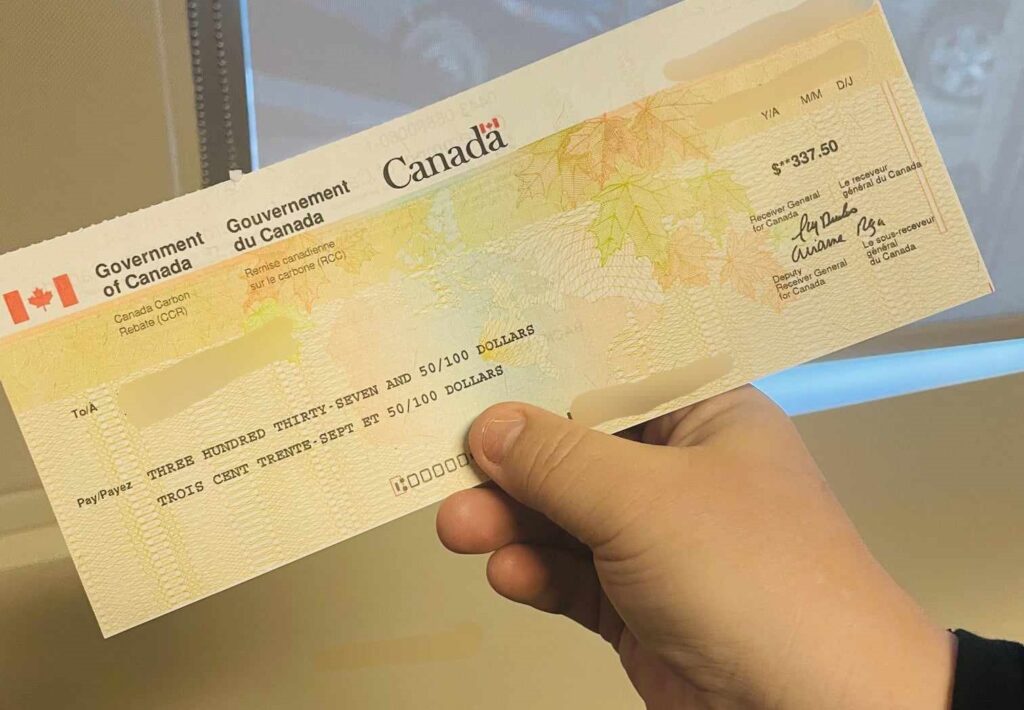
The tax due date Canada for most individuals is April 30, 2025. That’s both your tax filing due date Canada and your due date to pay taxes if you owe the CRA money.
If April 30 falls on a weekend or public holiday, the pay taxes date is extended to the next business day.
For Self-Employed Individuals
If you or your spouse/common-law partner is self-employed, you get a small grace period. Your tax submission deadline for filing your return is June 15, 2025.
However — and this is key — your tax due date Canada to pay any balance remains April 30. So even if you file later, interest starts adding up on May 1.
What Happens If You Miss the Tax Due Date in Canada?
Life happens — but the CRA doesn’t give much leeway when it comes to missed deadlines. If you file or pay late, you’ll face a late-filing penalty and interest charges.
Here’s what typically happens if you miss the tax due date Canada:
- 5% penalty on your balance owing, right away.
- 1% per month added for every month you’re late (up to 12 months).
- Double penalties if you missed the tax due deadline in any of the past three years.
- Daily compounded interest on both the balance and penalty until fully paid.
So, for example, if you owe $5,000 in taxes and file two months late, your penalty could reach $550 or more, and interest will keep growing daily. If you’re overwhelmed by filing requirements, Don’t Dread Tax Season, Plan for It shares strategies for getting ahead before tax season even begins.
Filing Your Taxes Late?

Credit: rc.cpa
Wondering what happens if you file your taxes late? Here’s the breakdown:
- You’ll owe late-filing penalties and interest.
- You could lose access to government benefits like GST/HST credits or child benefits.
- You might trigger a CRA review if late filing becomes a pattern.
- Refunds get delayed, even if you’re owed money.
Bottom line: even if you can’t afford to pay your taxes immediately, it’s better to file on time. The CRA charges less for unpaid balances than for unfiled returns.
What Is the Fine for Late Tax Return in Canada?
If you’re late submitting your tax return, the CRA charges a 5% late-filing penalty on your total balance owing. On top of that, you’ll pay 1% per month (for up to 12 months) until your return is filed.
If you’ve missed filing deadlines before, those rates can double to 10% plus 2% per month — a costly mistake.
To calculate your own potential late fees, you can use TurboTax Canada’s penalty estimator or refer directly to the CRA’s official penalty page.
Late Payment vs. Late Filing: What’s the Difference?
It’s important to understand the difference between missing your filing date and missing your payment date:
- Late Filing: You didn’t submit your tax return by the tax return due date Canada.
- Late Payment: You filed on time, but didn’t pay your taxes by April 30.
Both result in interest charges, but late filing triggers the larger penalty. So even if you can’t pay yet, file on time to avoid the extra fees.
How to Avoid Missing the Tax Due Date in Canada
Credit: wtcca.com
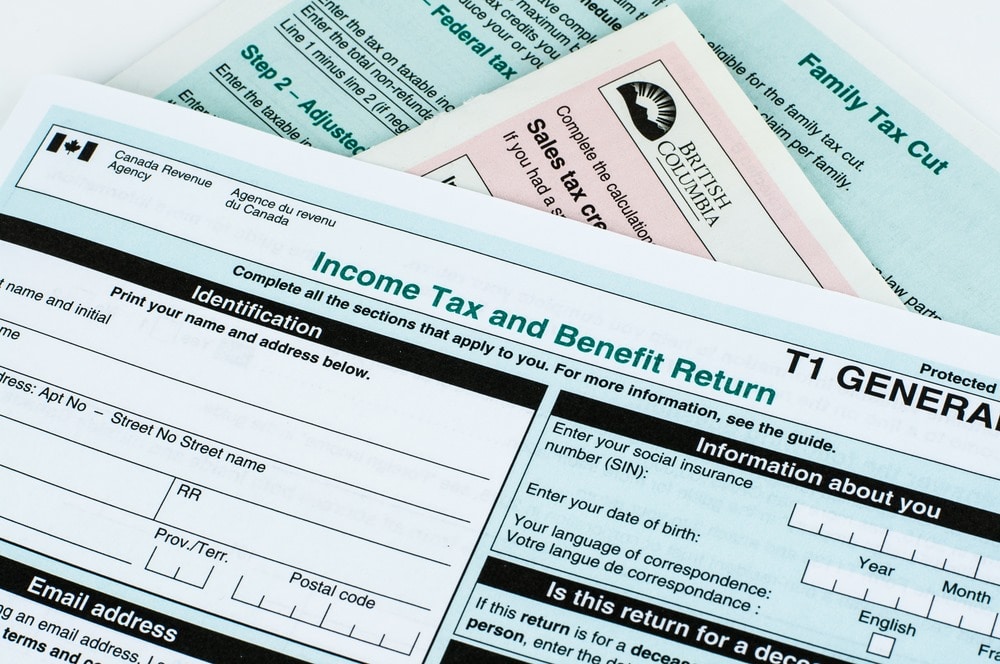
Here’s how to stay on top of your deadlines:
- Mark your calendar early. Add a reminder in February or March.
- Use CRA’s My Account portal. It tracks your tax filing due date Canada and balances.
- Hire a professional. A good tax manager service ensures you never miss a deadline.
- File even if you can’t pay. This reduces penalties dramatically.
- Plan ahead. Track receipts, income, and deductions throughout the year.
For year-round prep tips, visit Don’t Dread Tax Season, Plan for It — it’s a must-read for smoother tax seasons.
Why Filing Early Is Always a Smart Move
Filing before the tax due date Canada has real benefits:
- Faster refunds.
- Extra time to fix errors or gather missing documents.
- Less stress during April’s CRA rush.
- Eligibility for tax credits and government programs.
- Peace of mind knowing you’re compliant.
Even if your paperwork isn’t perfect, early filing gives you time to review and adjust before penalties apply.
The good news? With a bit of planning (and maybe the right Tax Manager Service), staying ahead of the CRA is totally doable. You don’t need to dread tax season — just get organized early, and you’ll sail through it.
When Is Income Tax Due for Corporations?
Corporate taxes follow a slightly different timeline. The deadline for tax filing Canada for corporations is six months after the company’s fiscal year-end. However, most corporations must pay taxes within two or three months after that year-end.
Corporations that miss their tax submission deadline face similar late-filing penalties and daily compounded interest.
This is one reason many business owners work with professionals — to ensure timely submissions and accurate reporting. You can streamline everything through Maple Stone’s Tax Manager Service.
What If You Don’t File Your Taxes at All?
Credit: atltaxlawyers.com
If you’re wondering what happens if you don’t file your taxes, here’s the truth — it’s worse than filing late. The CRA can:
- Estimate what you owe and issue a Notice of Assessment without your input.
- Charge late penalties and daily interest.
- Withhold future refunds and benefits.
- Initiate collection actions, like garnishing wages or freezing bank accounts.
Avoid this at all costs — file something, even if it’s incomplete. A tax expert can help you correct it later.
Pro Tips to Stay Ahead of the CRA
- File online through NETFILE — it’s faster and confirms receipt.
- Keep digital copies of receipts and records for six years.
- Set quarterly reminders to check your CRA account.
- Consult a tax professional yearly to spot deductions or changes.
If you prefer a hands-off approach, consider working with an experienced accounting team like Maple Stone’s Tax Manager Service. They’ll monitor every tax due date Canada, manage filings, and keep your business compliant year-round.
FAQ’s
Still a bit unsure about tax deadlines? Here’s a look at the most common questions Canadians ask about the tax due date in Canada.
When is income tax due in Canada?
The tax due date Canada for most individuals is April 30 each year.
What happens if you don’t file your taxes?
The CRA can charge penalties, interest, and even garnish wages.
What is the fine for late tax return?
You’ll pay 5% of your balance owing plus 1% per month, up to 12 months.
Can I file my taxes late?
Yes — but interest and late-filing penalties will apply until the balance is paid.
How can I avoid missing the tax due date Canada next year?
Use CRA reminders, file early, or hire a tax manager service to stay compliant.
Don’t guess — get ahead of your taxes.
The tax due date Canada comes fast every year, but you don’t have to face it alone. Let Maple Stone’s Tax Manager Service handle the details, keep you compliant, and help you plan smarter for next year.