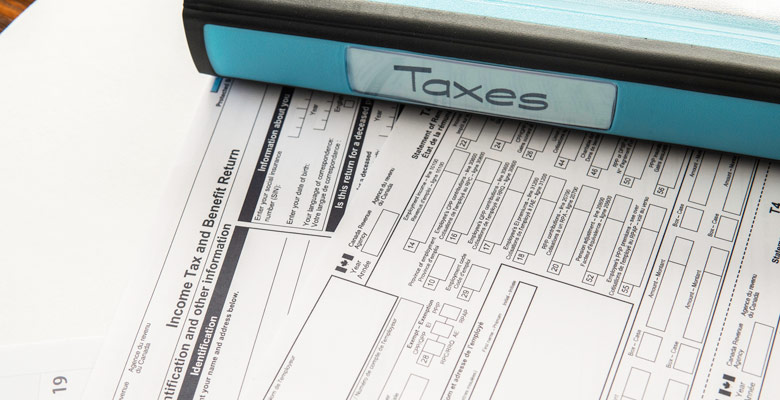

Filing taxes can definitely feel like a bit of a nightmare, right? But trust me, with the right tax checklist, it doesn’t have to be as scary. Whether you’re filing as an individual or running your own small business, knowing exactly what documents you need to file taxes is key. I’ve been there—scrambling to find receipts and forms at the last minute. But once you get organized and know what you need ahead of time, it’s a whole lot less stressful.
In this guide, I’ll walk you through the essential documents required for tax filing in Canada, make sure you’re on top of important due dates, and share some tips to make the process as smooth as possible. By the end of this, you’ll feel way more confident and ready to tackle your taxes without the usual headaches. Let’s get started!
Why You Need a Tax Checklist for Filing Taxes in Canada
We’ve all been there—tax season sneaks up on us, and suddenly we’re scrambling to find paperwork, receipts, and forms. Not being prepared can lead to missed deductions, penalties, or even a bigger tax bill than necessary. That’s where a solid tax checklist Canada comes in handy. It helps you gather all the documents needed to file taxes in one spot, so you’re not stressing out last minute. Whether you’re filing your personal tax return or managing your own business, having everything ready ahead of time means you can sail through the process. Here’s why a tax checklist is essential and what you should keep in mind for both personal and small business tax filing:
Why You Need a Tax Checklist:
- Avoid Missed Deductions: With everything organized, you’ll make sure you’re claiming every eligible tax credit and deduction.
- Save Time: No more last-minute searching for that one receipt you can’t find.
- Stay Calm: Having everything you need in one place makes the whole process less stressful.
- Avoid Penalties: Missing important documents could lead to errors or penalties.
Here’s what you’ll need to consider when creating your personal tax checklist for individuals or tax checklist for small business owners!
Documents Needed for Personal Tax Filing in Canada
Credit: promoaccounting-ltd.com
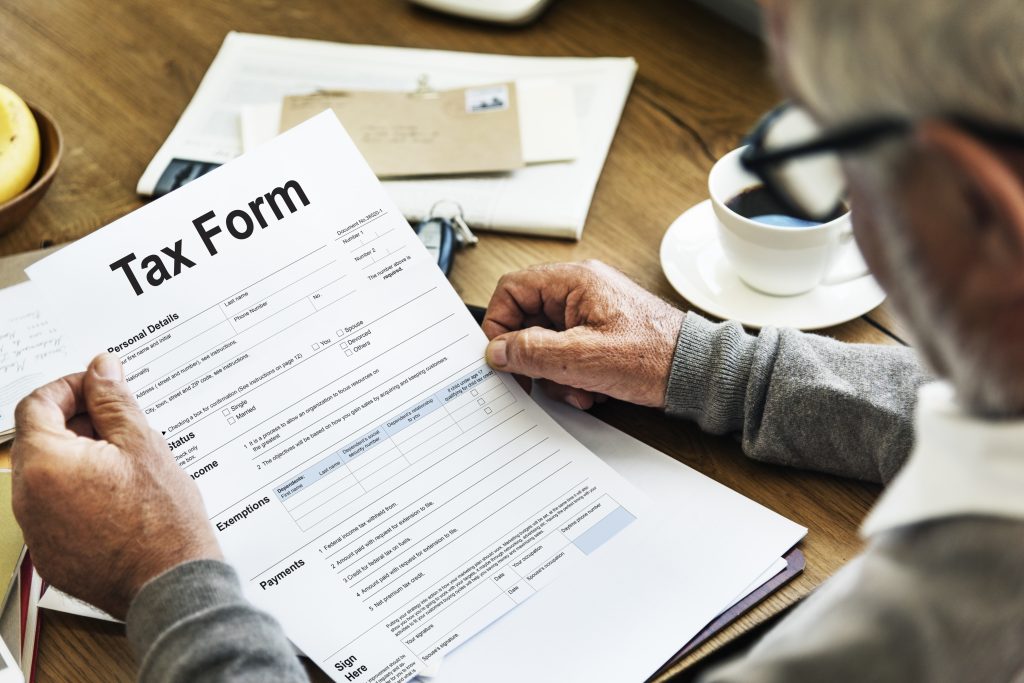
For individuals, filing taxes can seem straightforward, but there are still many key documents you’ll need. Here’s what should be on your tax checklist to ensure your personal tax filing goes smoothly:
T4 Slip (Statement of Remuneration Paid)
This is one of the most important tax return documents for employees. It shows how much you earned, as well as the tax already deducted by your employer. Be sure to double-check your T4 slip for accuracy, especially if you changed jobs or worked part-time.
T5 Slip (Statement of Investment Income)
If you earned interest or dividends during the year, you’ll receive a T5 slip. This tax document Canada reports the total amount of interest or dividends you earned, which is taxable.
Receipts for Deductions
Various expenses can reduce your taxable income, and you’ll need receipts to prove it. Some common deductions include:
- Medical expenses: You can claim any expenses not covered by your insurance, such as prescription costs, dental treatments, and therapy sessions.
- Charitable donations: Keep a record of all charitable donations, as these can be claimed as tax credits.
- Child care expenses: If you have young children, these costs can be deducted from your taxable income.
- Union dues: Keep track of your union or professional dues if applicable.
RRSP Contribution Receipts
Contributing to your Registered Retirement Savings Plan (RRSP) is one of the most effective ways to lower your taxable income. You’ll need to provide receipts for your RRSP contributions to ensure you receive the appropriate tax benefit.
T2202A/TL11A (Tuition Fees for Students)
If you’re a student, you can claim tuition credits for any post-secondary education you paid for during the year. The T2202A form (or TL11A for international students) outlines your tuition fees and helps you claim those credits.
Other Tax Credit Forms
Credit: brockandstout.com
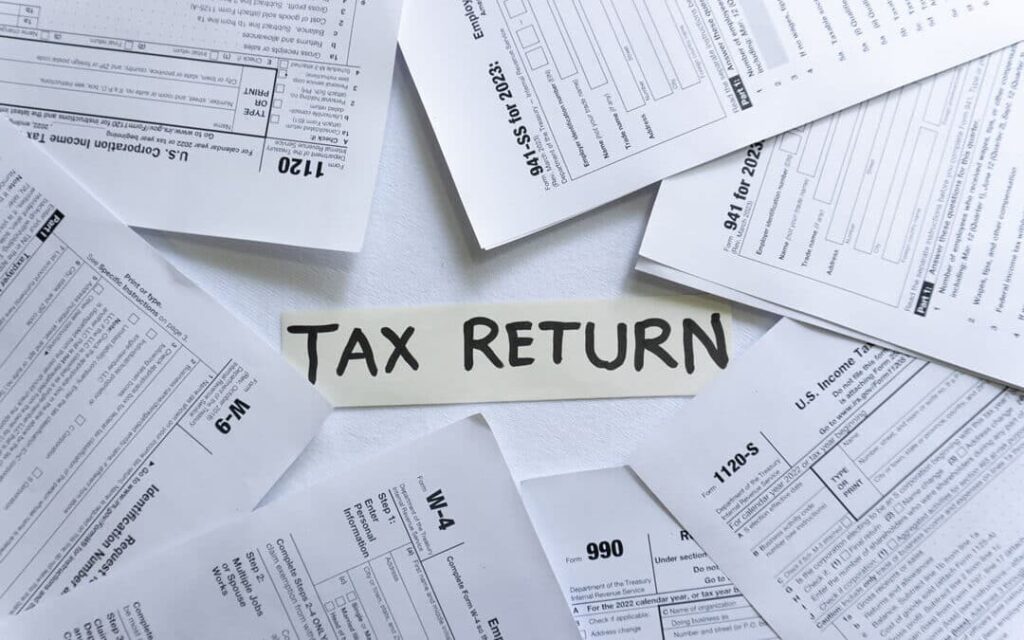
Various credits can lower your tax bill. These might include:
- GST/HST credits: If you’re eligible for this credit, you need to report any amounts you received.
- Working income tax benefit (WITB): For low-income workers, this benefit helps offset taxes.
Notice of Assessment (NOA) from Previous Year
Your Notice of Assessment is a document sent by the Canada Revenue Agency (CRA) after you file your taxes. It shows any balance owed or refund due. If you filed taxes in previous years, you might need this as a reference, especially if you’re claiming carryforward amounts such as unused RRSP room.
Other Miscellaneous Documents
Additional documents that might apply depending on your situation:
- Rental income receipts if you’re a landlord.
- Foreign income documents if you earned money outside of Canada.
By compiling these tax documents Canada, you’ll have everything ready for tax filing.
Essential Documents for Small Business Owners
Credit: newswire.ca
If you’re a small business owner, your tax checklist will be more comprehensive. As a business owner, you have additional requirements to ensure all your tax return documents are accurate and complete. Here’s what you’ll need to gather:
Income Statements
Your income statement (also called a profit and loss statement) will detail your total revenue and expenses. This is crucial for understanding your business’s net income.
T2125 Form (Statement of Business or Professional Activities)
Self-employed individuals and business owners must complete the T2125 form to report their business income and expenses. It covers everything from sales and gross income to deductible business expenses.
Receipts for Business Expenses
Keep track of every expense related to running your business. Common deductions include:
- Office supplies: Paper, pens, and other supplies.
- Travel expenses: Including transportation, meals, and lodging.
- Home office expenses: If you work from home, you may be able to claim a portion of your rent, utilities, and other home office costs.
- Employee wages and benefits: If you have employees, keep records of their wages, along with any benefits and pension contributions.
GST/HST Returns
If your business is registered for the Goods and Services Tax (GST) or Harmonized Sales Tax (HST), you’ll need to file regular returns to report the tax you’ve collected and remitted.
Payroll Records
If you have employees, you must keep accurate records of all wages paid, along with Canada Pension Plan (CPP) and Employment Insurance (EI) contributions. These documents are necessary for calculating your payroll taxes and for filing your T4 slips.
Capital Gains or Losses
If you’ve sold business assets such as equipment, property, or investments, you need to report any capital gains or losses in your tax filings.
The tax checklist for small business owners might require additional documentation depending on the nature of your business and the complexity of your finances. Always consult with a professional to ensure you’re covering all your bases.
Understanding the Canada Tax Checklist

Credit: brighttax.com
In addition to the documents needed to file taxes, understanding key filing dates is critical.
Due Date to Pay Taxes
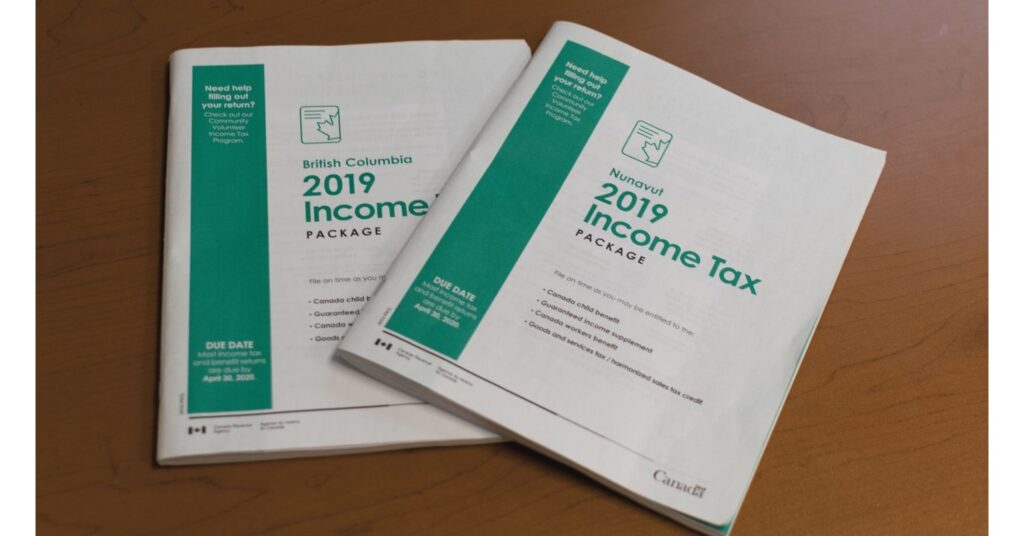
The due date to pay taxes is typically April 30th for individuals. If you’re self-employed, your tax return is due by June 15th, but any taxes owed must still be paid by April 30th to avoid late fees and interest charges. Always make sure your tax return documents are filed on time to avoid penalties.
Costs of Tax Handling Services
Filing taxes doesn’t always have to be a solo task. If you find the process overwhelming, consider hiring an accounting and tax service company. The tax handling company cost can vary depending on the complexity of your return and whether you’re an individual or a small business owner. However, the investment can be worthwhile for peace of mind and to ensure your taxes are filed correctly.
For example, a tax service Canada can guide you through the entire filing process, ensuring that you claim all eligible deductions and credits. The cost will depend on the services you require, but it could help prevent costly errors and missed deductions.
If you’re seeking professional help, check out services like the Tax Manager Service or the Payroll Compliance Service to make sure everything is taken care of.
FAQ’s
Here are some of the most commonly asked questions when preparing your tax checklist:
What if I’m late filing my taxes?
If you miss the deadline, you may be charged late fees and interest. Even if you’re late, file as soon as possible to minimize penalties. Late fees can add up quickly.
Do I need to file taxes if I only earned a small amount?
Absolutely, you may still need to file a tax return if you earned any income. Additionally, you may be entitled to tax credits or refunds that could benefit you.
Can I file taxes online in Canada?
Yes! The Canada Revenue Agency (CRA) offers an online platform for filing taxes, and many online tax software options are available to help you file with ease.
How do I know if I qualify for tax deductions as a small business owner?
If you run a business, you can deduct reasonable business expenses from your income, including office supplies, travel, and wages paid to employees. Be sure to keep detailed records to substantiate your claims.
Can I file taxes if I have international income?
Yes, but you must report all income, including foreign income. Canada has tax treaties with many countries to avoid double taxation, so check the CRA’s guidelines or consult a tax professional.
The Wrap Up
As we move towards the end; by staying organized and using a detailed tax checklist, you can make tax season a lot less stressful. Make sure to gather all the necessary documents needed for tax return well before the due date. And if you find the process overwhelming, don’t hesitate to reach out to a tax service Canada to guide you through it.
For more guidance on managing your tax needs, explore services like the Tax Manager Service or the Payroll Compliance Service.
Tax season doesn’t have to be a nightmare—just follow your tax checklist, and you’ll be well on your way to a smooth filing process!